
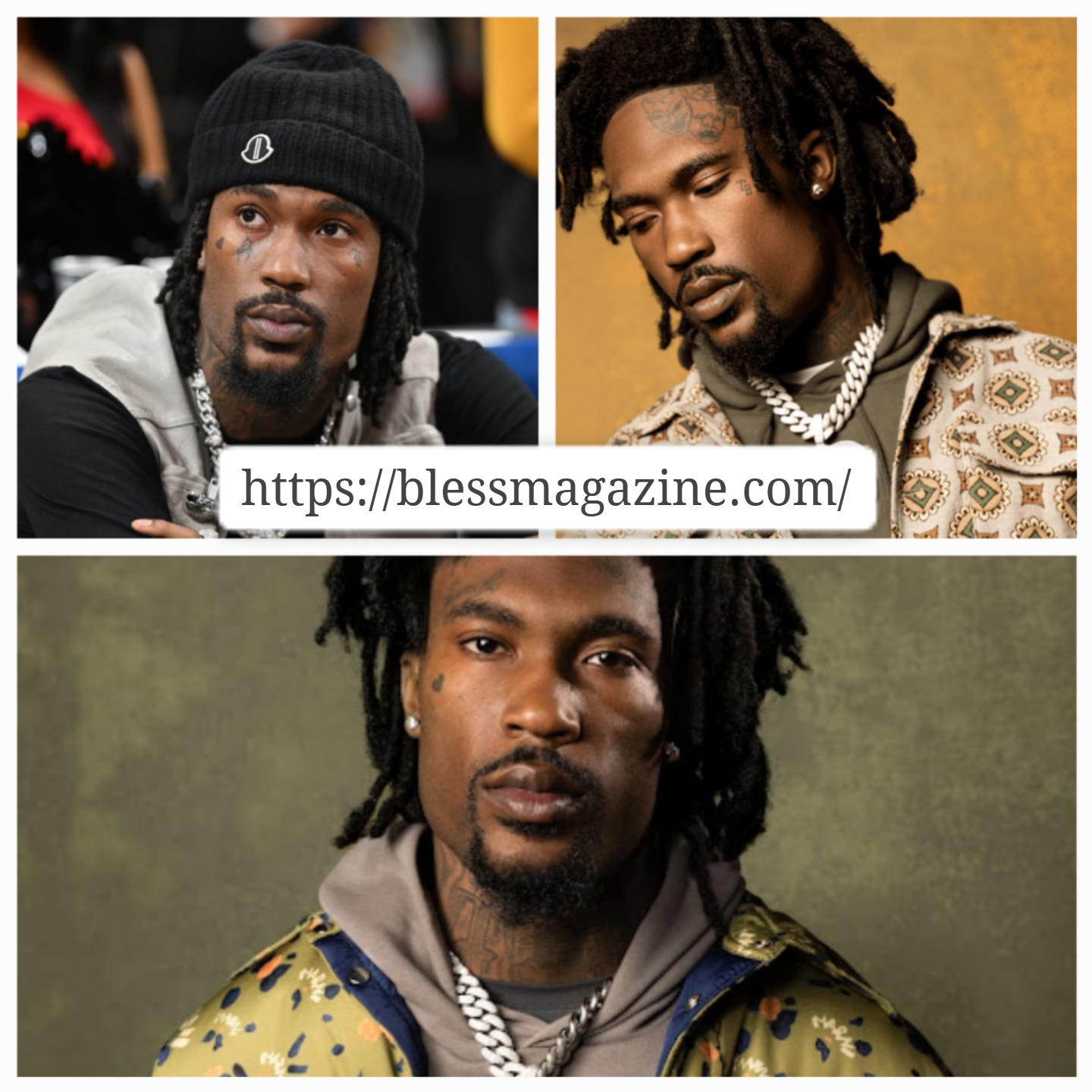
In recent years, the phrase hunxho age has captured interest across social platforms, blogs, and online search trends. But what does hunxho age really mean? Is it simply a buzzword, or does it represent something deeper about culture, growth, and identity in the digital era? This article explores the origins, interpretations, and cultural relevance of hunxho age in a way that resonates with both curious readers and those looking to understand how language evolves in the modern age.
The Origin of Hunxho Age
To truly grasp hunxho age, we must first recognize that many contemporary phrases begin with communities — online or offline — that give them life. While the exact origin of the term hunxho age may be difficult to pinpoint, its progression mirrors that of many cultural expressions that evolve organically through usage. Whether it started as a meme, in niche groups, or as a short‑form term with hidden meaning, hunxho age has since grown beyond its roots and into broader conversation.
Language is dynamic, and the life cycle of phrases like hunxho age offers an example of how words can take on symbolic meaning over time. Some believe hunxho age reflects an era — a phase of life or collective mindset — marked by exploration, reinvention, or even rebellion against traditional labels.
Hunxho Age and Identity
At its core, hunxho age expresses more than a definition; it symbolizes a stage in life where identity becomes fluid. For many young adults navigating education, careers, relationships, and self‑discovery, hunxho age represents that transitional period where boundaries blur and new perspectives emerge.
In this context, hunxho age becomes a metaphor for:
- Transformation — moving from established norms into personalized paths.
- Growth — embracing change while learning from experience.
- Expression — defining one’s uniqueness in a world influenced by both tradition and innovation.
Many individuals who resonate with hunxho age describe it not simply as a chronological period, but as a mental and emotional state. It embraces the idea that growth isn’t linear, and that discovering who you are often defies simple descriptors.
Hunxho Age in Social Media Culture
The rise of platforms like TikTok, Instagram, and Twitter has accelerated how quickly language evolves. Hunxho age is no exception. These platforms provide fertile ground for phrases to spread — and for meanings to shift rapidly based on shared experience.
A trending hashtag like #hunxhoage can spark thousands of posts in hours, each interpreting the term in unique ways. Some users share motivational thoughts tied to hunxho age as a phase of empowerment, while others use the term humorously to reflect the strange contradictions of adult life.
For example, a creator might caption a video:
“Welcome to hunxho age: where we love coffee but can’t afford it, and celebrate staying in more than going out.”
This playful twist shows how hunxho age has entered mainstream online culture, reflecting experiences most can relate to — especially younger generations reshaping lifestyles outside traditional expectations.
Philosophical Interpretations of Hunxho Age
Beyond social media, hunxho age invites a deeper philosophical interpretation. It represents a collective shift in how we view age and maturity. In past decades, milestones like finishing school, marriage, or career stability once defined adulthood. In the era of hunxho age, these markers are less fixed, allowing for flexible timelines and personalized growth.
In this sense, hunxho age challenges the conventional chronology of life stages. It suggests that maturity, purpose, and fulfillment are not strictly linked to age but emerge through experience, reflection, and adaptability.
Thinkers and cultural commentators may frame hunxho age as:
- A rejection of rigid timeline expectations.
- A celebration of personal journeys over societal pressures.
- A recognition that mistakes, exploration, and uncertainty are valid parts of growth.
This philosophical view positions hunxho age as less of a trend and more as a zeitgeist — an idea reflecting the spirit of contemporary life.
From Buzzword to Lasting Concept
While some phrases fade as quickly as they emerge, hunxho age shows signs of becoming more than a temporary fad. Cultural adoption often depends on relevance and relatability. Because hunxho age speaks to universal experiences — change, identity, and the search for meaning — it may continue to find resonance.
Writers, influencers, and thought leaders have started incorporating hunxho age into essays, talks, and online collections that explore life phases with honesty and humor. In this evolution, the phrase gains depth, allowing it to serve as both a personal and collective narrative tool.
Why Hunxho Age Matters
So why has hunxho age earned attention? Here are a few reasons:
- Relatability: It captures the uncertainty and freedom of transitional life periods.
- Adaptability: The concept applies to various contexts — emotional, social, professional.
- Creativity: It encourages expression and reinterpretation in ways that traditional age labels do not.
- Community: Shared use creates connection among people experiencing similar life moments.
Ultimately, hunxho age matters because it reflects a broader shift in how we talk about growth and adulthood. It reminds us that life is not a checklist, but an ongoing journey filled with ups, downs, surprises, and discoveries.
Conclusion: Embracing Hunxho Age
In conclusion, the idea of hunxho age represents more than just a phrase; it captures a mindset — one that values experience over expectation, exploration over rule‑following, and personal truth over universal standards. Whether you see it as cultural slang, a philosophical concept, or an emerging social term, hunxho age encourages reflection on how we grow and evolve.
As language continues to evolve, phrases like hunxho age will shape how future generations describe life’s transitions. For now, it stands as a testament to creativity, connection, and the human desire to define our own paths.