
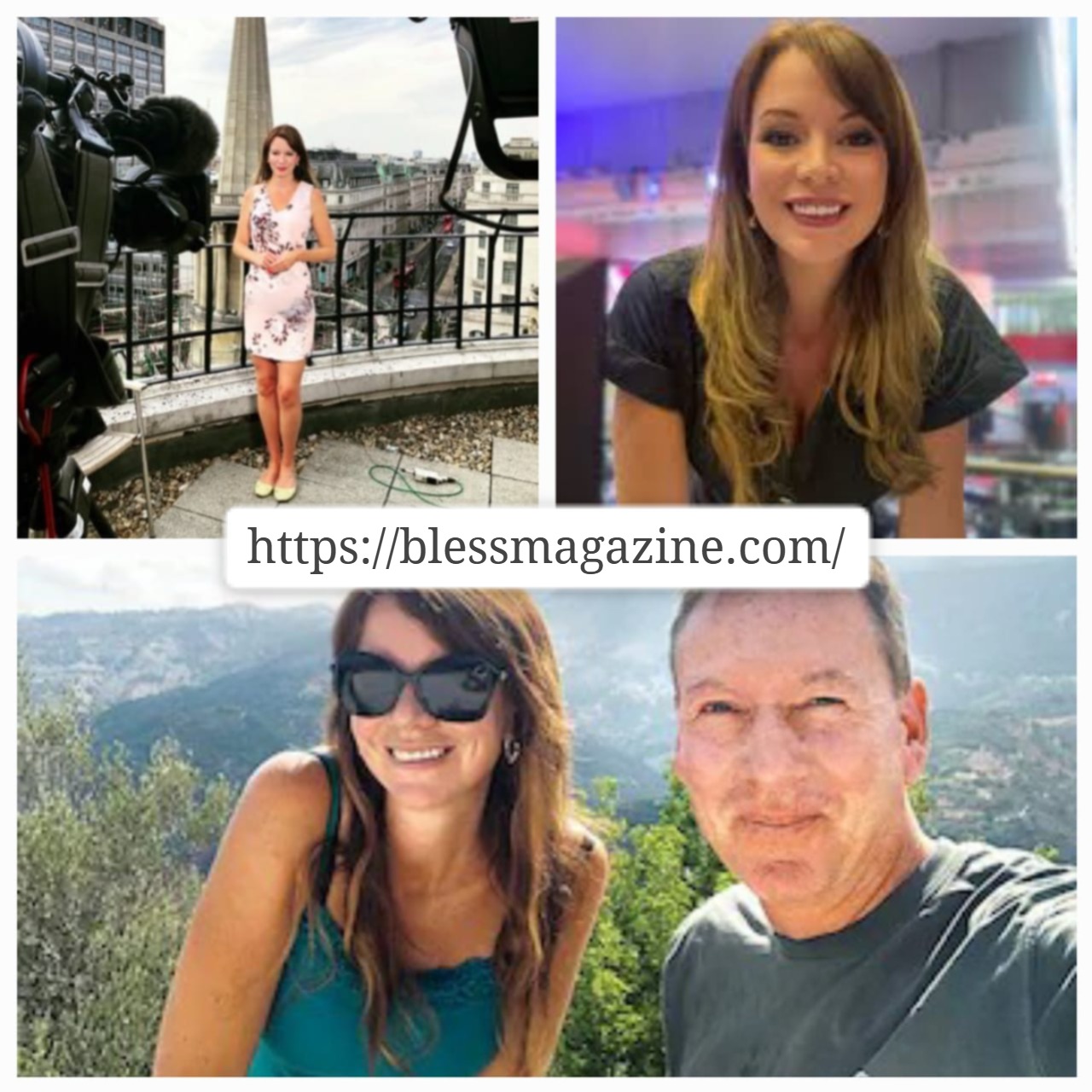
Introduction: Why the Phrase “Elizabeth Rizzini Disability” Appears Online
The phrase “Elizabeth Rizzini disability” has circulated widely on search engines, blogs, and social discussions, leading many people to wonder whether there is some hidden or undisclosed aspect of the BBC weather presenter’s life that the public is unaware of. Elizabeth Rizzini is a familiar face on BBC London’s weather broadcasts, known for her clear presentation style and approachable communication of complex meteorological information. With her increased visibility, curiosity about her personal life has grown, and search terms relating to her relationship, family, and background have become more common. However, when it comes to the specific search term “Elizabeth Rizzini disability,” the attention generally stems not from verified information about her own health, but rather from speculation, misunderstanding, or online rumor cycles. These patterns reflect the broader digital culture in which celebrity-related queries can quickly take on a life of their own, even when they are rooted in confusion or misinformation rather than fact.
No Verified Evidence of Disability: Separating Fact from Internet Speculation
One of the most important points to establish in discussing the term “Elizabeth Rizzini disability” is that there is no confirmed or publicly shared evidence that Elizabeth Rizzini lives with a disability. She has not publicly disclosed any disability, nor have reputable, fact-checked media outlets reported on such a matter. In the absence of confirmed information, it is crucial to avoid assumptions about a person’s private health conditions. Many articles online repeat the phrase merely to address and debunk the rumor, not to confirm it. This situation highlights the speed at which personal speculation spreads on the internet, particularly when a public figure is associated—accurately or inaccurately—with a medical or physical condition. It also reflects the ethical considerations around discussing private individuals: unless information is voluntarily shared by the person concerned, speculation about health is both intrusive and inappropriate.
The Source of the Confusion: Public Associations and Media Narratives
To understand why people search for “Elizabeth Rizzini disability,” we must look at the context that created the misunderstanding. In many cases, the searches appear linked to her previous relationship with BBC Security Correspondent Frank Gardner, who uses a wheelchair due to injuries sustained while reporting abroad. As Rizzini has been publicly photographed and mentioned alongside Gardner, some online readers mistakenly conflate his disability with her own. This is a common phenomenon in digital misinformation patterns: two individuals appear together frequently, and the public begins to associate one person’s attributes, experiences, or challenges with the other. Over time, blogs and social media posts referencing Gardner’s disability alongside Elizabeth Rizzini’s name have caused automated search engines to link the two subjects. This algorithmic blending can unintentionally create the misleading impression that Rizzini herself has a disability. The situation illustrates how search trends do not always reflect factual reality, but rather the digital footprints created by associations, headlines, and search-engine behavior.
The Broader Cultural Implications of the “Elizabeth Rizzini Disability” Rumor
The popularity of the search term also invites reflection on how society talks about disability, public figures, and privacy. Even though Elizabeth Rizzini has not publicly disclosed any disability, the mere existence of the search term “Elizabeth Rizzini disability” indicates a wider tendency for audiences to probe into the private lives of media personalities. It also highlights how disability becomes a subject of public curiosity, often without sensitivity to personal boundaries. At the same time, because Rizzini has been connected through media narratives to a partner who does have a disability, some articles have used the term as a springboard to discuss accessibility, relationships involving disability, and the need for greater social awareness. In this sense, the phrase has acquired a symbolic relevance, even though it does not describe Rizzini herself. It reflects the broader conversations unfolding in modern society about inclusivity, support systems, representation within the media, and the everyday experiences of people living with disabilities.
The Importance of Accurate Representation and Responsible Reporting
Another critical angle in examining the phrase “Elizabeth Rizzini disability” is the responsibility of writers, bloggers, and media consumers to handle such topics carefully. When speculation about a person’s health is published without verification, it can shape public perception in ways that are unfair, intrusive, and potentially harmful. Public figures already experience heightened scrutiny, and misinformation can distort their professional reputation or cause unnecessary personal stress. In a media landscape filled with attention-driven headlines and loosely fact-checked entertainment content, it is essential to differentiate between commentary, rumor, and evidence-based reporting. In this case, responsible coverage means acknowledging clearly that no reliable information supports the claim that Elizabeth Rizzini has a disability, while simultaneously addressing why the rumor exists and how it spread.
Conclusion: Understanding the Meaning Behind the Search
In the end, the phrase “Elizabeth Rizzini disability” is less about Elizabeth Rizzini herself and more about the dynamics of online culture, misinformation, and the ways public curiosity amplifies unfounded associations. There is no verified evidence that she has a disability, and discussions around the term often arise instead from misunderstanding her association with others or from the nature of modern search-engine algorithms. By approaching the topic with awareness, sensitivity, and clarity, we can address the origins of the rumor without contributing to the spread of false information. More broadly, the conversation serves as a reminder that public figures—no matter how familiar they may appear—retain the right to privacy, especially regarding personal health matters, and that responsible communication helps foster a more respectful and accurate media environment.